

Untapped Potential: Addressing Gender Gaps in UENR Sports Participation
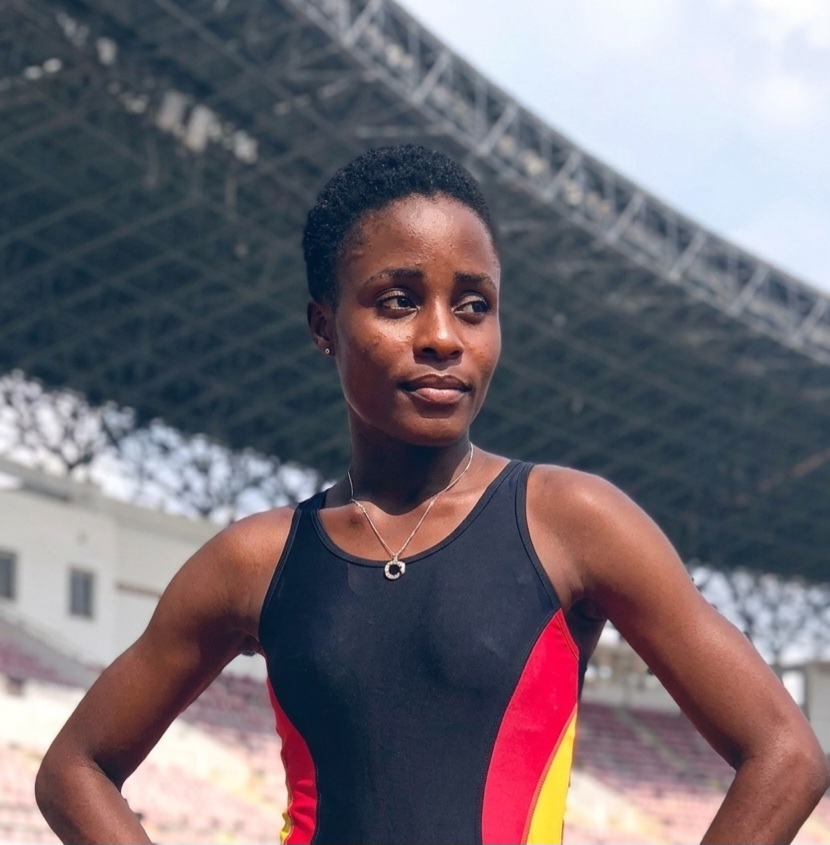
Despite growing investment in sports at the University of Energy and Natural Resources (UENR), female participation across several disciplines remains low, raising concerns about untapped talent and structural barriers within the system.
Director of Sports, Dr. Ebenezer K. Amoh, describes the situation as “not encouraging,” noting that while many female students possess the talent and interest to compete, participation is often hindered by competing academic demands and limited institutional incentives. “Combining academic work with sports is not easy,” he explained. “Some students do not see the need to sacrifice time for training when their efforts are not recognised academically.”
According to Dr. Amoh, the challenge is not a lack of ability but a question of balance and motivation. Many student-athletes, particularly females, must manage demanding academic schedules alongside training and competitions, often without any form of academic concession or structured support.
This imbalance discourages participation, as students fear falling behind academically or delaying their graduation. In athletics, where some level of institutional support has been introduced through scholarships, there is a relatively better gender balance. The University currently has a small but growing number of female athletes competing in track and field events, demonstrating what can be achieved with targeted interventions.
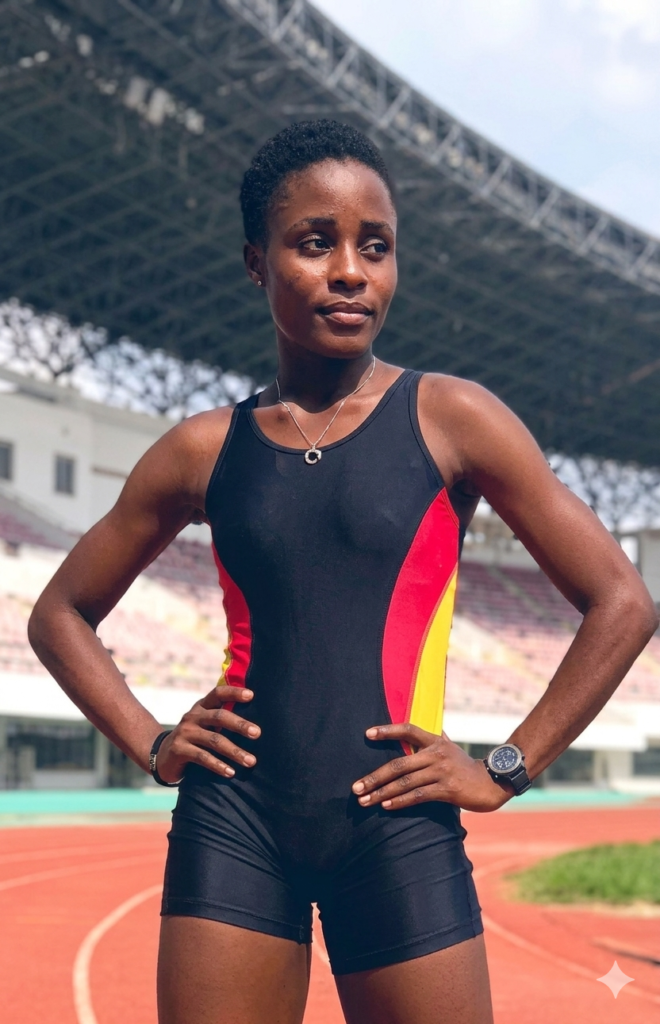
Daniella Kyei Nyarko
However, the situation is different in team sports such as football, where female representation remains low. Dr. Amoh revealed that although some female students have the potential to compete at high levels, including opportunities at the national level, many are reluctant to fully commit due to the pressures associated with balancing sports and academics.
Beyond gender, the broader challenge of student-athlete motivation also persists. While some athletes are driven by personal passion, others require external incentives to sustain performance and commitment. “When it comes to sports, it goes with funding. We need to motivate these students,” Dr. Amoh stated, emphasising the need for structured incentives, improved facilities and extended training periods to enhance performance. He added that addressing these challenges holistically would not only improve participation rates but also position UENR as a competitive force in university sports.
As the University prepares for the 2026 Ghana University Sports Association (GUSA) Games, the conversation around sports development is expanding beyond performance to include inclusivity, support systems and long-term investment in student-athletes. For UENR, the path to sporting excellence may depend not only on talent but on how effectively it nurtures and supports that talent, both on and off the field.
Source: uenr.edu.gh



Facebook Comments